Week 1:
In our first week, we were tasked with producing a circuit that contained an LED. An Arduino Nano was included in each circuit to transfer our code to the circuit. So the objective was to programme the circuit to produce a flashing sequence with the LED.
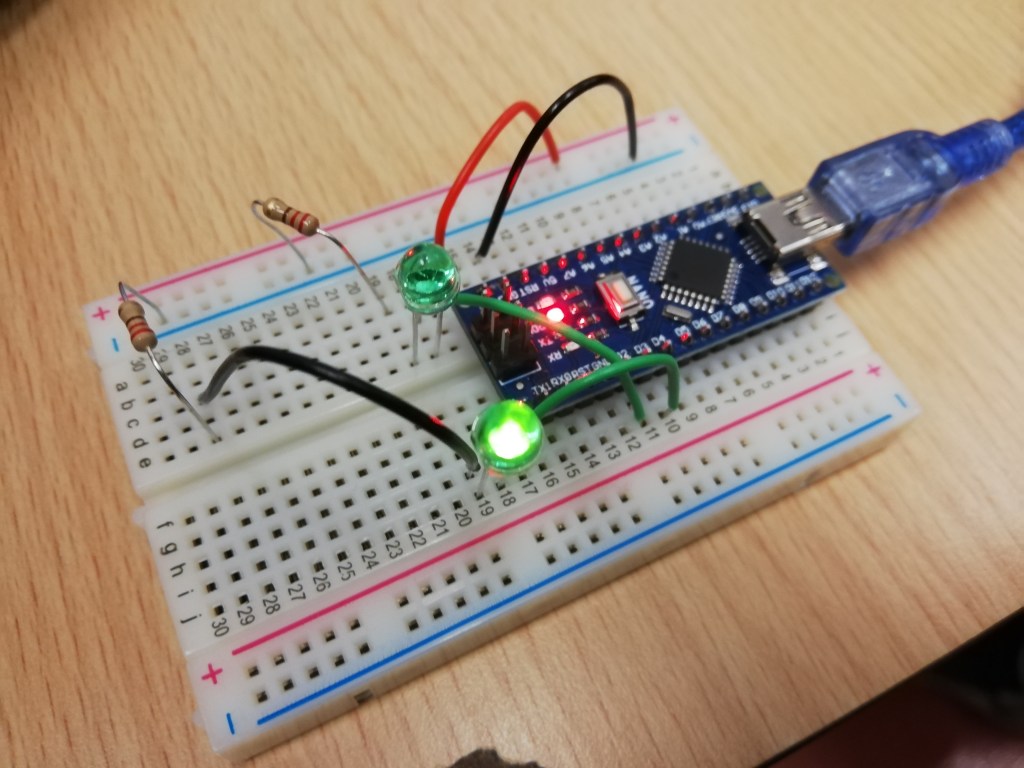
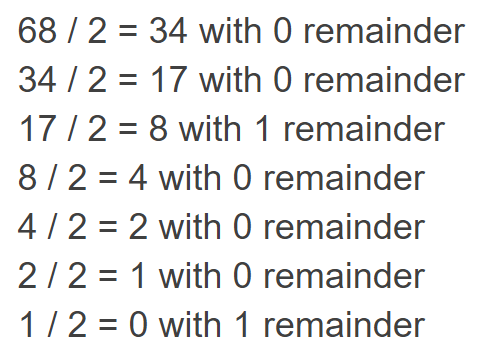
For the next challenge each group was given a number. My group got 68. The circuit would have to be programmed to blink out our respective number in binary. One LED would represent a 1 and the other LED would represent a 0. Before any code could be input however, we had to work out what 68 was in binary. Personally, I had never dealt with binary before in my life so this was definitely an opportunity for me to learn. I was very grateful my team mates Brent and James had a background on both binary and coding so I felt like that gave us an edge.
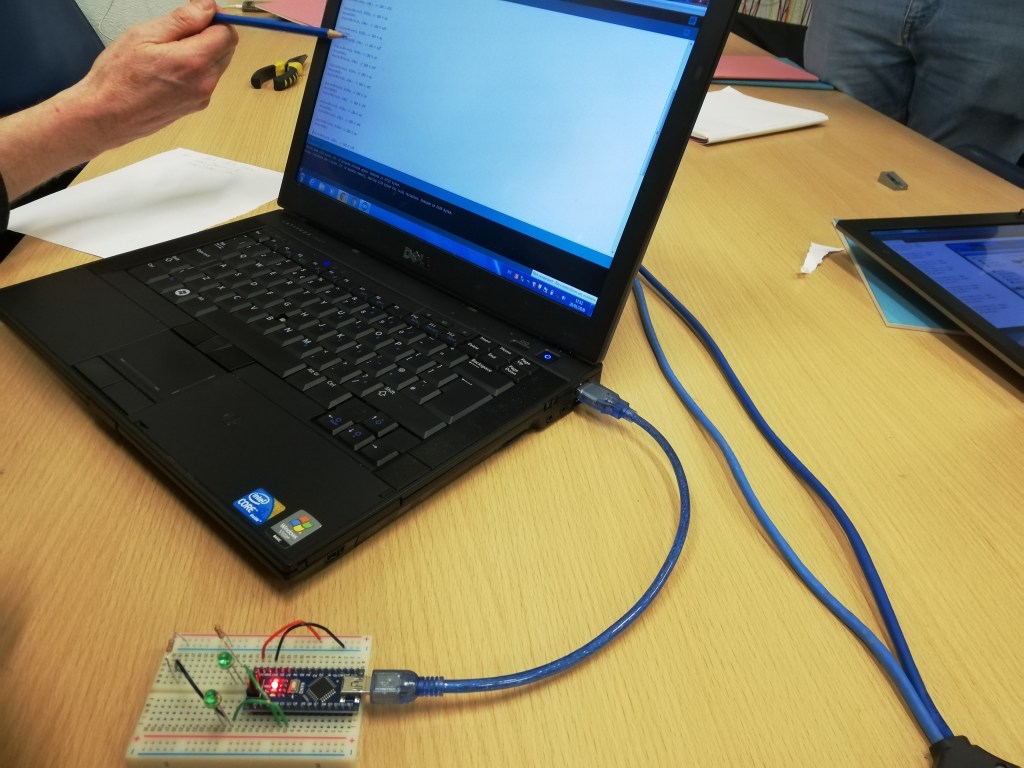
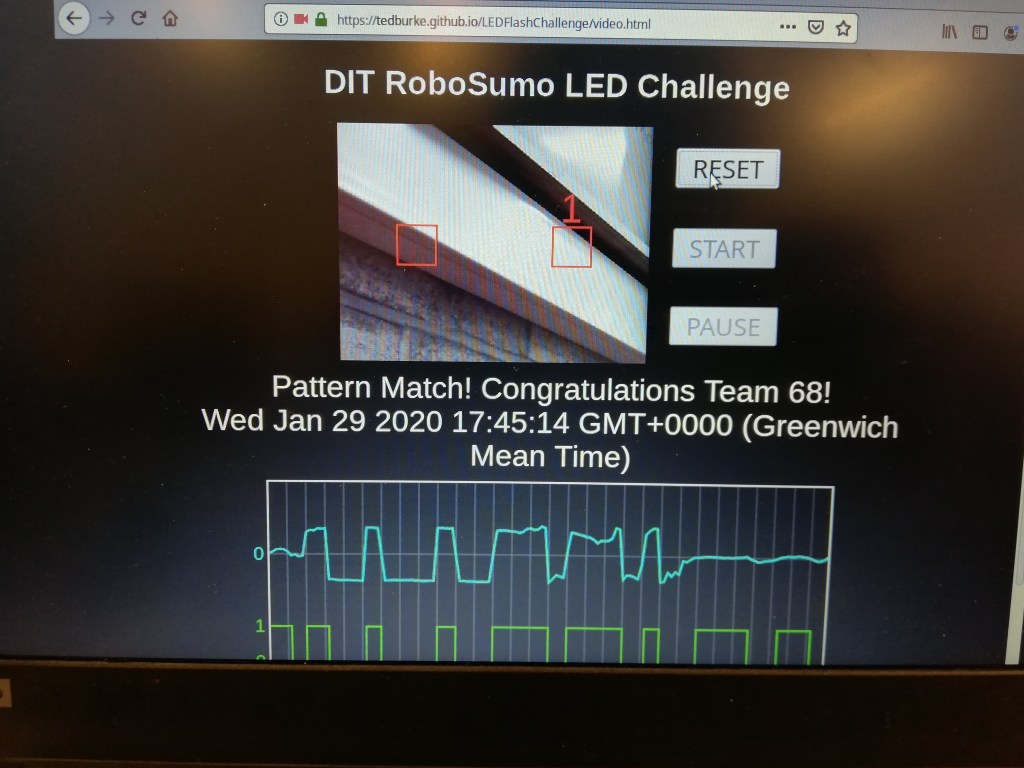
It didn’t take long before we were able to put together the correct code and arrangement of the circuit to produce a sequence of flashing LEDs displaying the number 68 in binary.
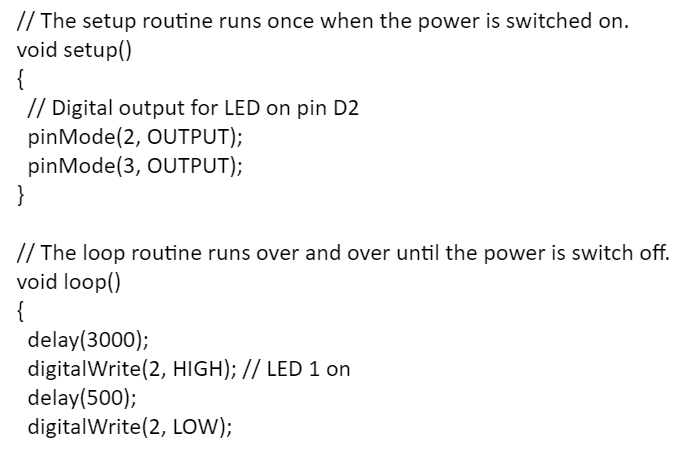
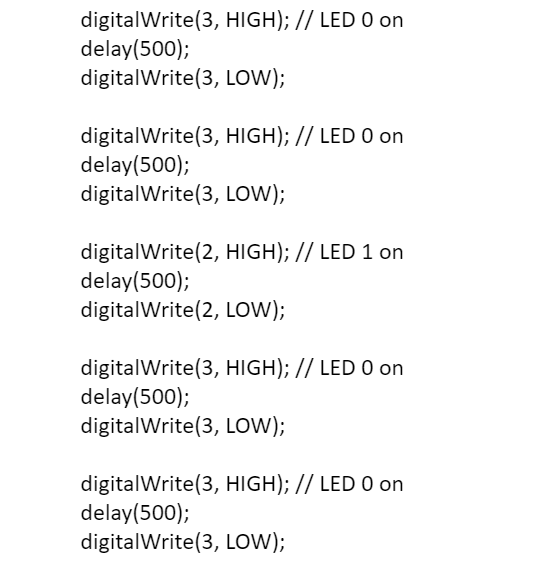
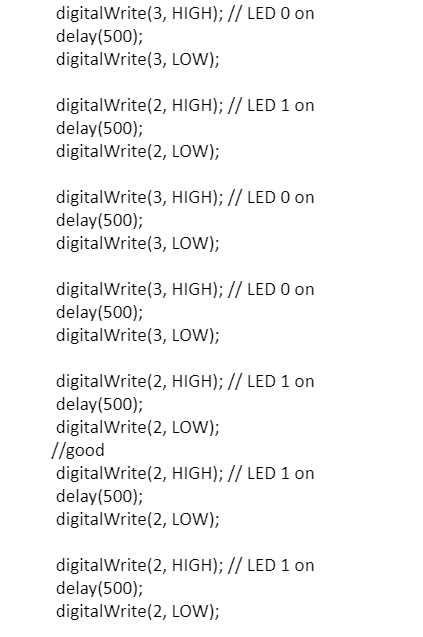
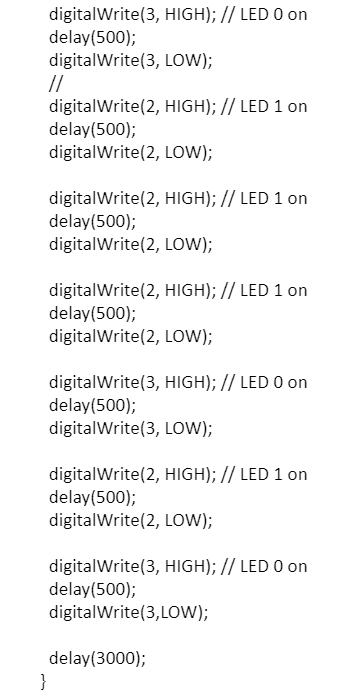
These are some examples of the code we input to get our LEDs to blink out 68 in binary. I also learned an efficient way of calculating the binary of any number by dividing it by 2 repeatedly until you get to zero and the quotient from each displayed backwards gave you the binary number.
 Jack's Robo Sumo Blog